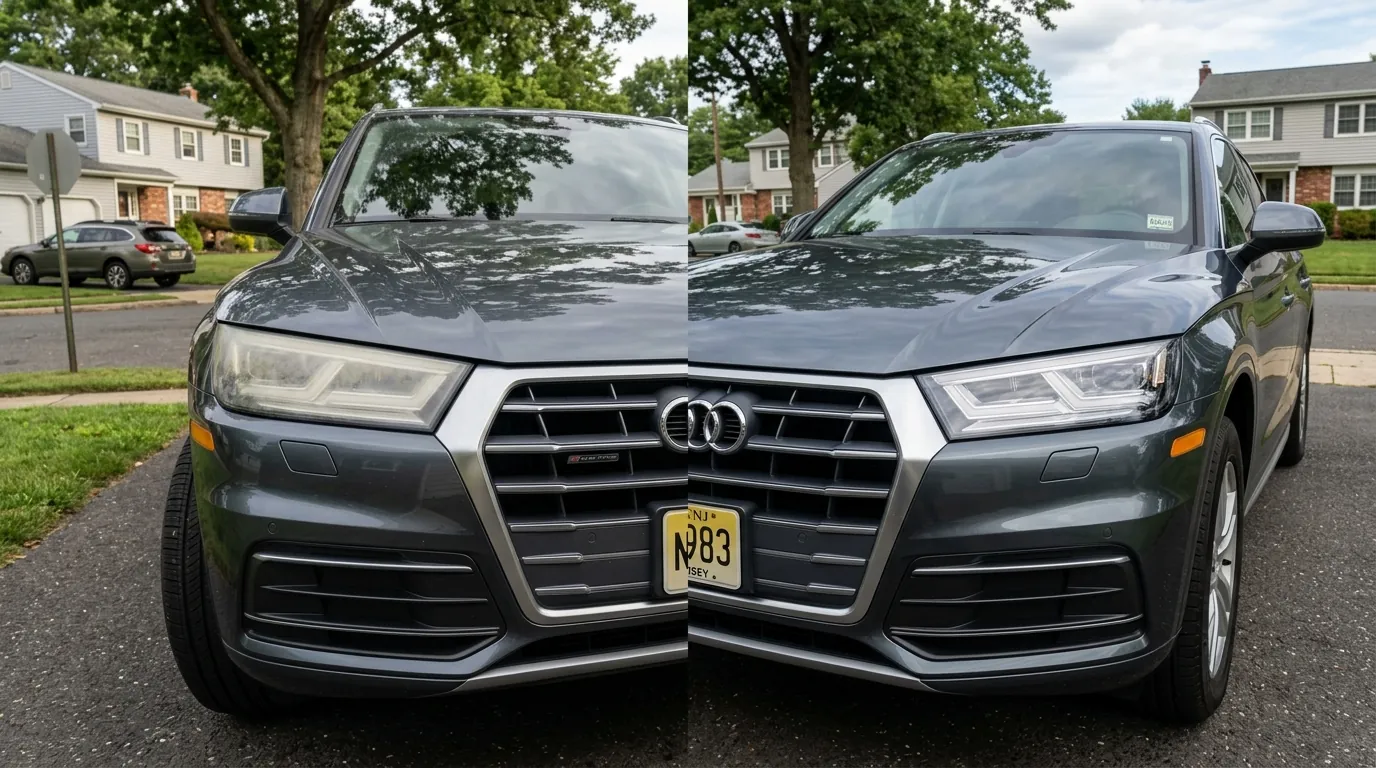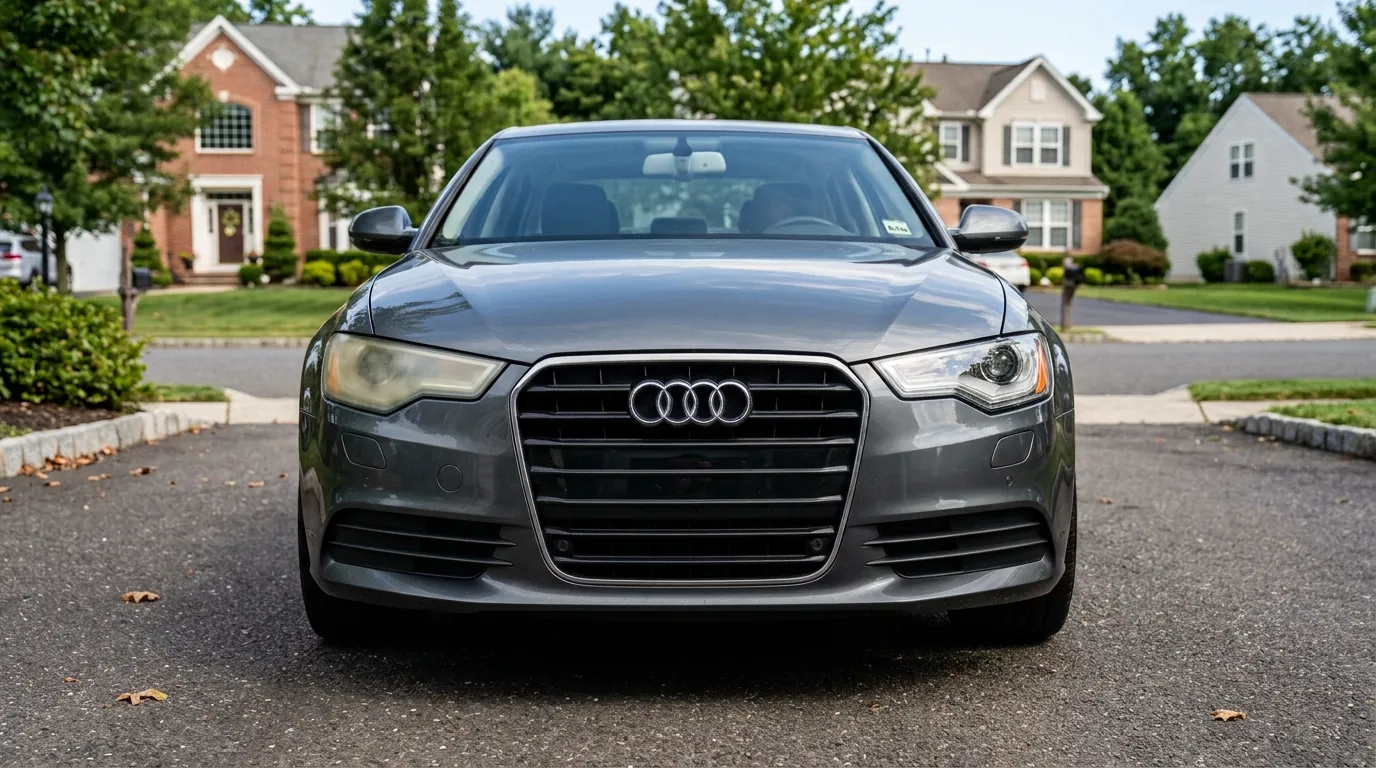

Have you seen your car’s headlights get all yellow and cloudy? You are definitely not the one. Your car’s headlights are made of plastic. They get exposed to sunlight, bad weather and all sorts of things on the road that can damage them over time. If you know why headlights turn yellow you can pick the fix and stop the problem from getting worse.
Why do car headlights turn yellow after a while?
Most new cars have headlights made of a kind of plastic that is lightweight and strong. This plastic can get worse after being outside for a long time. The headlight lens has a coating to protect the plastic from the sun and bad weather. When this coating starts to wear off the plastic underneath gets hurt easily.
This can make your headlights look yellow, cloudy or faded. There are a lot of things that can cause this to happen. The sun is usually the reason but other things like scratches, cleaning products, heat, moisture and just getting old can also cause problems.
Yellow headlights are not a problem with how they look. If they get really bad they can scatter light. Make it harder to see at night. The sun’s ultraviolet rays are a reason why car headlights turn yellow.
How does UV rays get damaged?
Whenever you park your car outside the headlights get exposed to sunlight. The ultraviolet rays from the sun slowly break down the coating on the plastic lens. When the coating gets damaged the plastic underneath gets exposed to the ultraviolet rays directly. This is why headlights turn yellow.
After a while the surface of the headlight starts to get worse. It can get dull and hazy. Eventually it turns yellow. You may notice this issue more quickly if you frequently park your car outside than if you kept it in a garage. How fast the problem happens depends on things like how strong the sunlight’s the weather, how you park your car and how old your car is.
Oxidation is another reason why car headlights get yellow and cloudy.
When the special coating wears off the plastic underneath can react with the air and other things in the environment. This can make the surface of the headlight get dull and hazy. Oxidation can start off as a haze. If you do not do anything about it can get worse. Eventually turn the headlight yellow or cloudy.
Rain, humidity, pollution, dust and changes in temperature can all make the problem worse. Once the headlight gets really bad just washing it will not make it better. You need to fix the damaged surface, not just clean it.
Cleaning methods can also make a difference
Using rough materials, abrasive household cleaners, or unsuitable chemicals may damage the protective coating. Automatic car washes and aggressive scrubbing can also contribute to surface wear over time. This is why headlights turn yellow. Even though these factors may not directly cause yellowing on their own, they can make the lens more vulnerable to UV damage and oxidation. That is why using automotive-safe products and soft cleaning materials is important.
How Professional Headlight Restoration Removes Yellowing and Oxidation
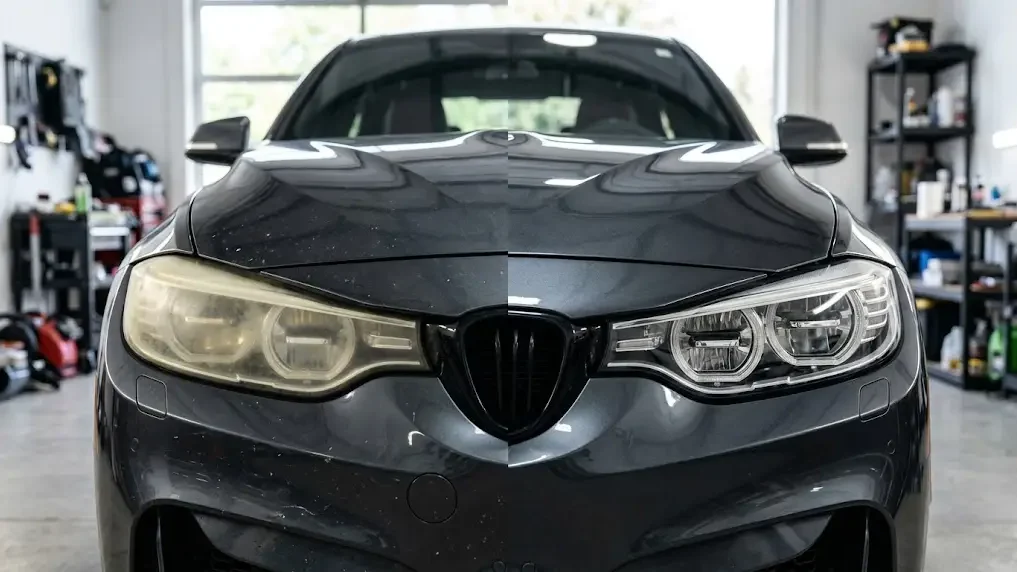
When yellowing is caused primarily by exterior oxidation, professional restoration can often significantly improve the appearance and clarity of the lenses. The process is detailed more than simple application of solution.
Surface Level Oxidation Removal Through Sanding and Polishing
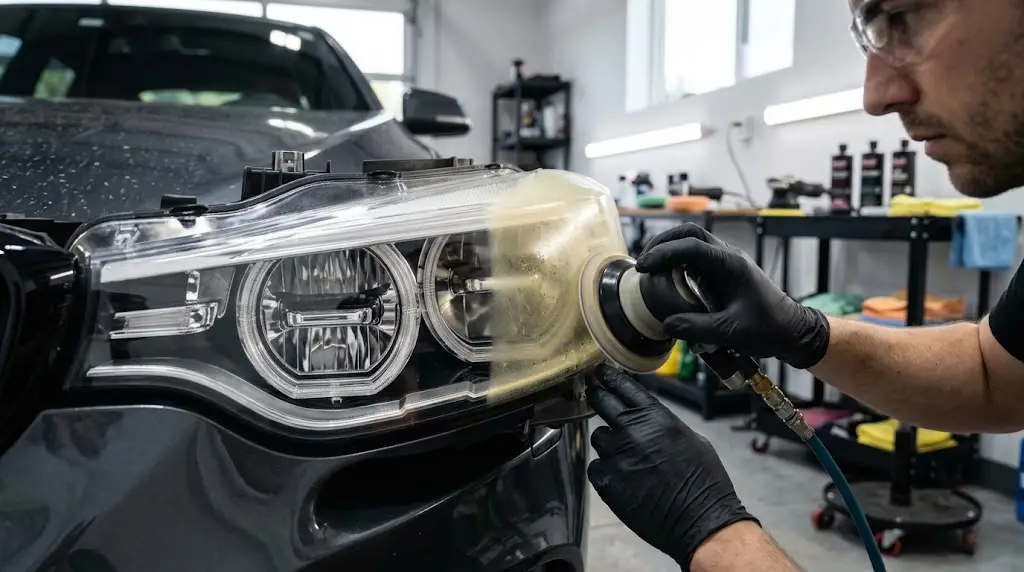
Professional restoration always starts from cleaning and preparing the surface. The damaged outer layer can be carefully removed with the help of appropriate abrasives. This kind of process helps in removing oxidation and surface imperfection.
After the damage has been removed, the lens is refined and polished with time. The goal is to manage the smooth and transport surface other than leaving behind the rough texture associated with the oxidation.
Deep Restoration to Restore Clarity and Light Output
Severe oxidation may need work to fix the headlight. A headlight lens that is very yellow can scatter light. Make it hard to see clearly. Fixing the surface can help make the headlight clearer and work better.
The headlight restoration process does not fix a bulb or other inside parts. If the problem is inside the headlight it may need a kind of repair. For oxidation on the outside a professional can make it look a lot better.
To stop the headlight from turning yellow a special coating is needed.
Just removing the oxidation is not enough. After the damaged surface is fixed a protective coating is very important. If the headlight is not protected it can start to turn yellow when it is exposed to sunlight and weather.
A good protective coating can help keep the headlight from getting damaged. The product utilized determines how long the protection lasts. How well the vehicle is taken care of.
Can you make headlights stop turning for good?
Oxidation that causes yellowing can often be removed but no restoration can make a headlight completely immune to aging. The headlights will still be exposed to sunlight, weather and dirt. This is why headlights turn yellow and the key is to fix the surface and protect it afterwards.
A professional restoration and a good protective coating can help keep the headlight clear for a time. The headlight can also be kept clean by routinely washing it. If the headlight starts to turn yellow it is better to fix it early.
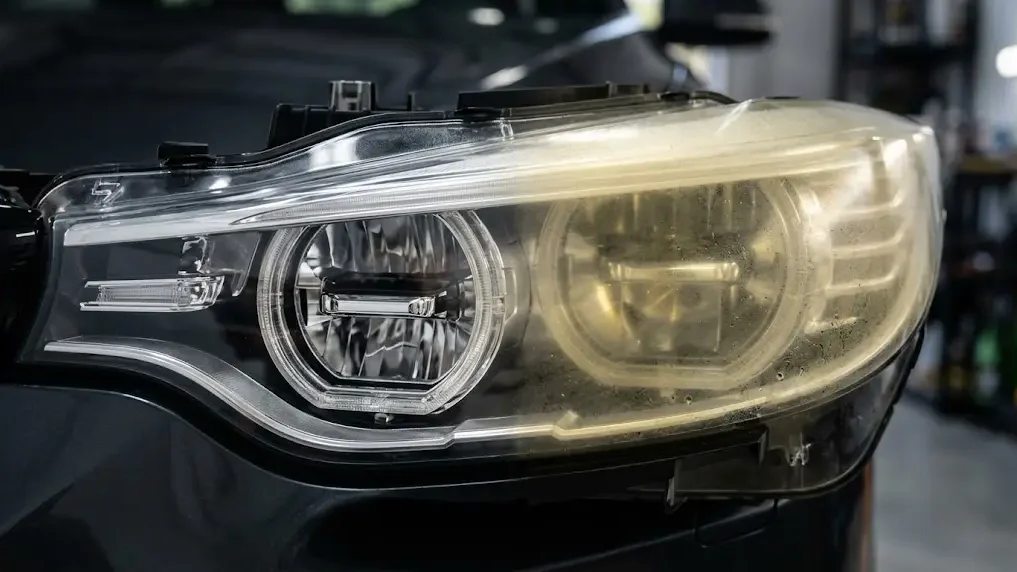
When is it better to restore a headlight or replace it?
Restoration is often an option when the headlight is working fine but the outside lens is yellow or cloudy. Replacing the headlight can be very expensive especially for vehicles with special lighting systems. If the damage is, on the surface restoration can make the headlight clearer without costing a lot.
If the lens is cracked or the headlight has internal damage it may need to be replaced. A professional can help decide what to do. Understanding why headlights turn yellow can help you see the problem before it gets bad.
UV light, oxidation and wear can all cause yellowing
If your headlights are very yellow or cloudy a professional can restore them. Add a protective coating to help keep them clear. Instead of replacing the whole headlight it may be better to have the lenses checked to see if restoration can make them clearer.